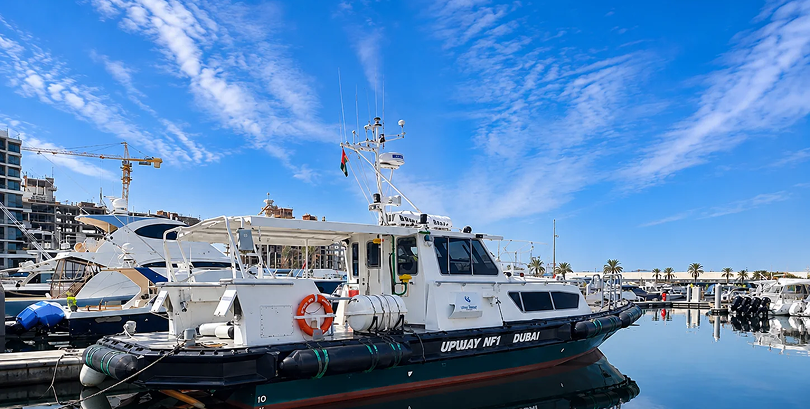
Regular maintenance is the foundation of safe, efficient, and profitable vessel operation. Ships operate in some of the harshest environments on earth — exposed to saltwater corrosion, constant mechanical stress, and extreme weather conditions. Without a consistent maintenance program, even the most well-built vessel can suffer performance decline, unexpected breakdowns, and costly downtime.
What Is Regular Ship Maintenance?
Regular ship maintenance refers to the scheduled inspection, servicing, and repair of a vessel’s systems and components to keep it operating safely and efficiently throughout its service life. This includes everything from engine servicing and electrical checks to hull inspections and safety equipment testing, carried out at planned intervals rather than only in response to a breakdown.
A well-structured maintenance program typically covers:
- Main and auxiliary engine servicing
- Fuel and lubrication system checks
- Electrical and instrumentation testing
- Hull and structural inspections
- Safety and firefighting equipment checks
Why Routine Maintenance Matters
Skipping or delaying maintenance might seem like a short-term cost saving, but it almost always leads to greater expenses and risks down the line. Here’s why regular maintenance is essential:
- Prevents Costly Breakdowns — Small issues caught early are far cheaper to fix than emergency repairs after a major failure.
- Ensures Regulatory Compliance — Classification societies and flag states require documented maintenance to keep vessels certified and legally operational.
- Improves Fuel Efficiency — Well-maintained engines and clean hulls consume less fuel, directly reducing operational costs.
- Extends Vessel Lifespan — Consistent care reduces wear and prevents long-term structural or mechanical degradation.
- Protects Crew Safety — Faulty equipment and systems put crew members at risk; regular checks minimize onboard hazards.